
Los chicos siendo chicos… 😊

Hola a los padres!
The picture 📸 above was taken at a mall that my host and Kate's host took us to.
At the mall, I was introduced to lomitos. They were so big, 2 were bought to share between 4 people. The lomitos had cheese, meat, eggs, mayo, lettuce, and tomatoes. There was also a side order of fries. The fries were an interesting combination of scrambled eggs, but it was delicious. Between my host, Carolina, and Kate's host, Cata, all of us enjoyed the meal. We pleasantly chatted as we savored the lomito, and it will definitely be missed. Beyonce

Yesterday we went on a breathtaking hike to Casa Bamba. Even though Lilie and Beckett may have gotten a little wet, everyone had a blast and we left with no injuries. After hiking back down the mountain, we began walking along the train tracks back to the buses. Kiki, Evelyn, and Katie played a riveting game of 20 questions as they walked. We encountered animals like horses and chickens scampering along the stream that was parallel to our path. Once we reached the end, after what seemed like a long time, we saw a bridge hanging across a small stream. Most were afraid to cross it but the Poly students were fearless in walking across it. Then Grace, Lilie, and Milla proceeded to ask "where is the bus" as they walked along the road hoping someone would pick them up out of the freezing cold. Grace
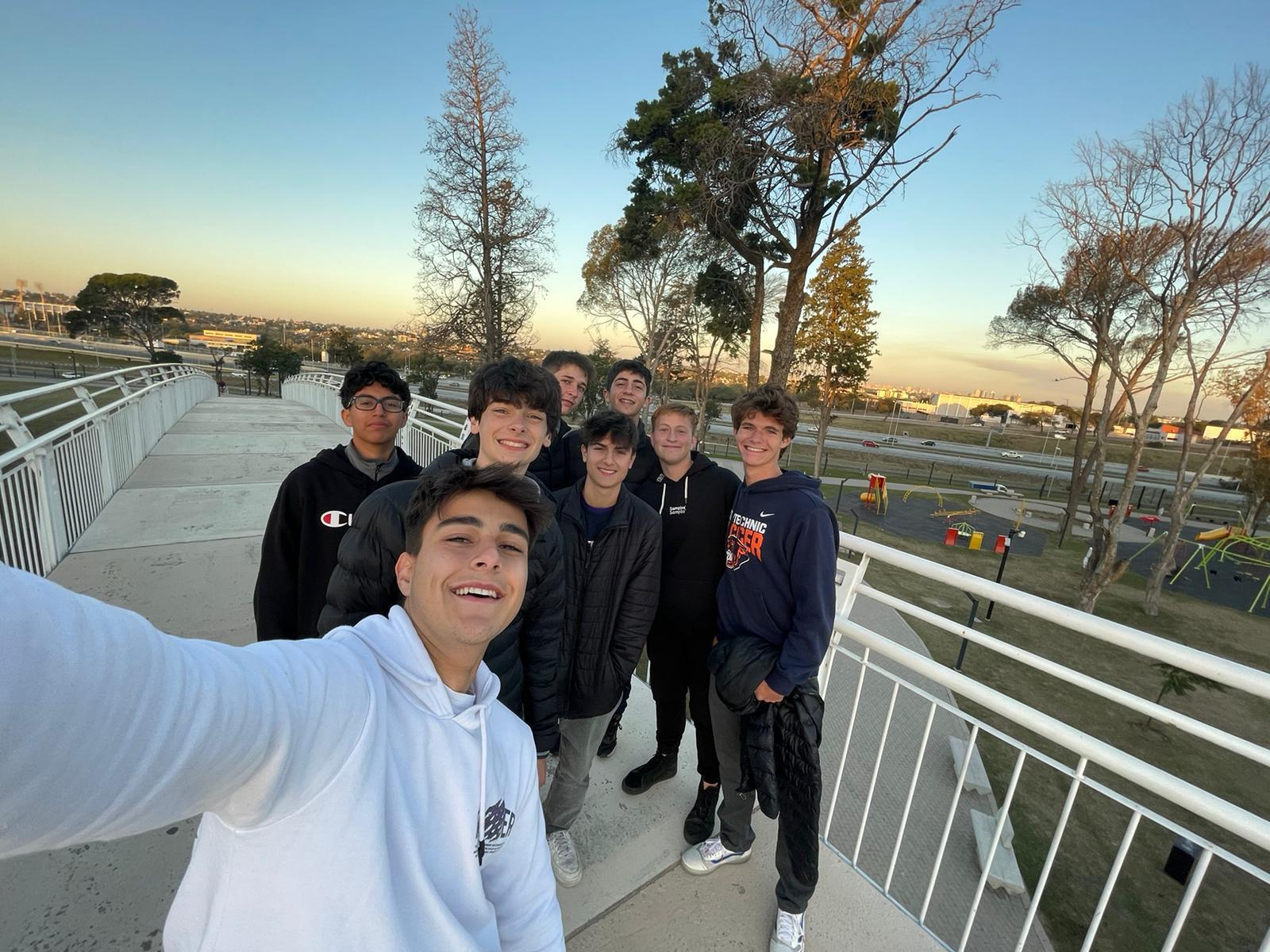
Throughout the duration of the flight, we all waited with anxiety to meet everyone in Córdoba. We heard again and again from our profesora about the rich Argentinian culture. Getting to San Martín campus everyone waited for us with a soccer ball in one hand and a bottle of coca cola in the other. Every afternoon we gathered all together and played video games, and ping pong, talk as we drank Coca-Cola, and wait patiently for the asado or empanadas to be ready. So far throughout this trip, I’ve had fun exchanging cultures and words and getting to know everyone in Córdoba. Jorge

While visiting the galleries, I came across a beautiful painting done in a late 19th century style. The balanced use of color, the energy telegraphed through the motion of the figures, it’s breathtaking in its simplicity. It was also magical in the sense that I got to share this experience with my dear friends and classmates. Going to an art museum is often done in solitude, it can be that place of thought and reflection, but getting to experience it with friends is also valuable. I loved that we were able to all learn and grow together by viewing these pieces together. I also can’t wait to replicate the piece when I get home with my own amateur drawing skills. Kiki
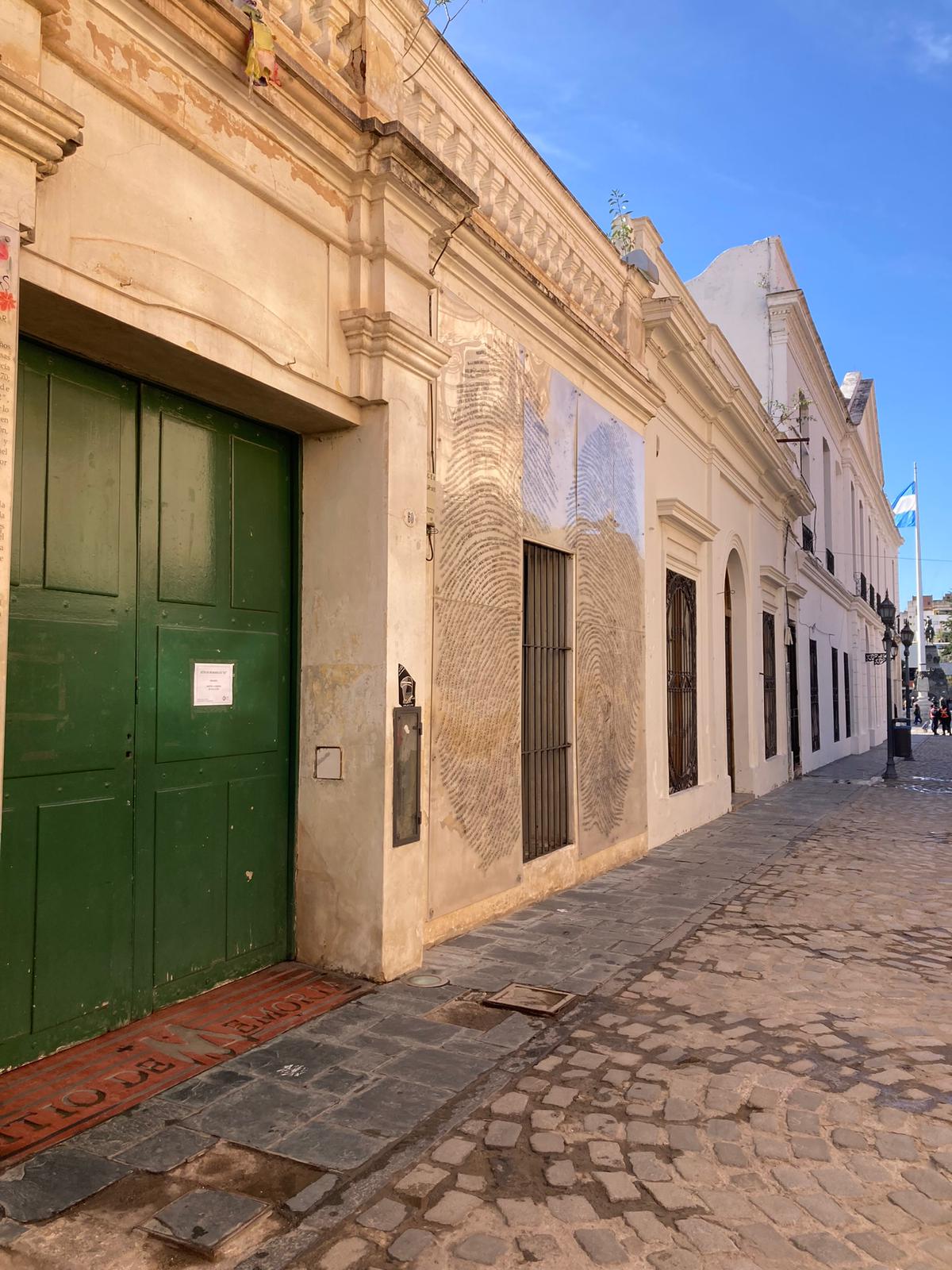
Hello parents, this picture was taken in Pasaje Santa Catalina where they took the “desaparecidos”, the people who disappeared. They took these people there because they didn’t agree with the dictatorship and spoke out against it. Here they tortured and killed them. This impacted me because we are visiting this monument today when Argentina is now in a better place with no dictatorship. It is also a bit mind blowing that we have met people who are descendants of los “desaparecidos”. Learning about this at school and then seeing it in real life is truly eye-opening. Bye bye! Ariely

Gaby, uno de los anfitriones, cocinó un asado para los chicos del grupo la noche pasada. There’s also a ping pong table at his house that we used before eating the BBQ. In this photo, Gaby is posing next to his magnificent work and showing off his asado skills. He has every right to do so because the food was, en las palabras de los argentinos, buenardo. Nat
Comments